
Getting brand approval on Amazon comes down to one thing: proving you bought the product from a source Amazon trusts. Usually that means a clean commercial invoice from an authorized distributor. Sometimes you’ll need a Letter of Authorization from the brand itself. Most sellers hear back within 24 to 72 hours.
Simple on paper. Messy in practice. I once watched a seller get rejected three times in a row, and the problem turned out to be “Street” vs “St.” on his invoice. Three rejections. Over an abbreviation. That’s the level of picky we’re dealing with here, so let’s get it right the first time.
First, Don’t Confuse Brand Approval With Brand Registry
Honestly? This is where half the confusion starts, so let’s kill it now.
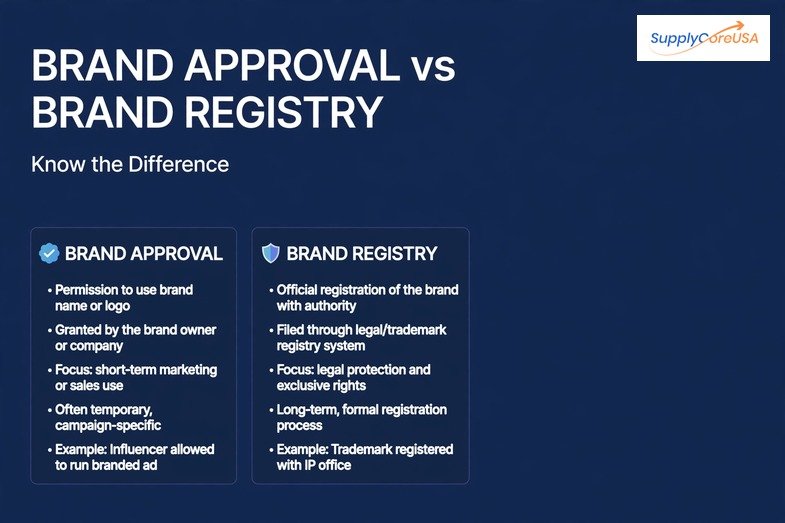
Brand approval is about selling someone else’s brand. You’re a reseller. You found Nike shoes at a good wholesale price and you want to list them. Amazon says “prove you’re legit first.” That’s brand approval.
Brand Registry is the opposite side of the table. You own the brand. You made the product, you hold the trademark, and you want Amazon’s tools to protect it from hijackers. Different program. Different rules. Different paperwork.
If a listing slapped you with “approval required” when you tried to add a product, you’re dealing with brand approval. Keep reading.
What Amazon Actually Wants From You
When you click that “Request Approval” button, here’s what’s typically on the table.
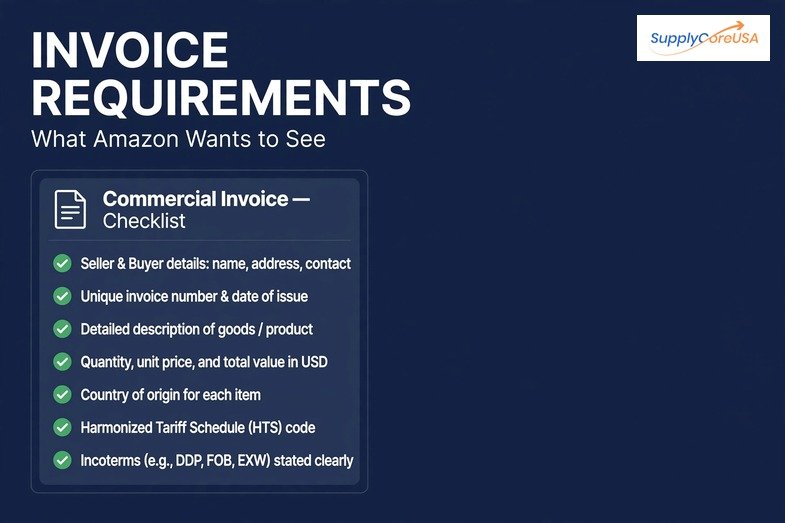
The invoice. This is the main event. Amazon wants a commercial invoice showing your business name and address exactly as they appear in Seller Central. Not close. Exactly. It needs the supplier’s full contact info, at least 10 units purchased, and a date within the last 180 days. And it has to come from the manufacturer or an authorized distributor. A Walmart receipt won’t do it. A proforma invoice won’t do it. A screenshot of your order confirmation? Definitely not.
If invoices are your weak spot, I wrote a whole piece on why Amazon rejects ungating invoices and how to fix each reason. Nine reasons. Most sellers are guilty of at least two without knowing it.
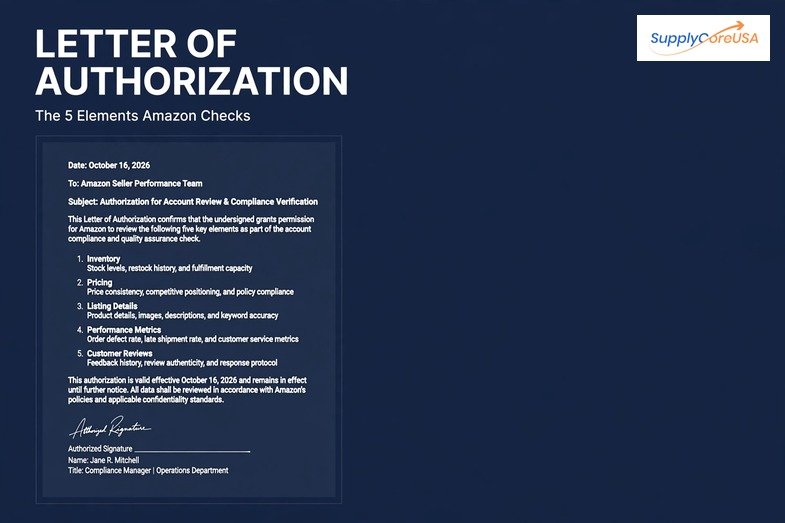
The Letter of Authorization. Some brands don’t care about your invoice alone. They want a letter from the brand owner, on official letterhead, saying you’re allowed to sell their stuff on Amazon. Amazon checks for five specific things in these letters: who’s giving permission, who’s getting it, what products it covers, what territory, and how long it lasts. Miss one and you’re starting over.
Here’s what catches people off guard. A letter from your distributor saying “yeah, they’re cool” means nothing to Amazon. Zero. It has to come from the brand owner or the trademark holder. Distributor letters, reseller agreements, handshake deals dressed up as PDFs. Amazon tosses all of them.
Product photos, maybe. Sometimes they’ll ask for pictures of the product and packaging. Nothing artistic. Clean background, decent lighting, branding visible. Phone camera works fine.
How the Process Actually Goes
Alright, here’s the real-world flow.
Check first, buy later. Before you spend a dime on inventory, go to Seller Central. Inventory, Add a Product, search the brand. If it says approval required, stop. Get approved, then buy. I know a seller sitting on 500 units of a gated brand right now because he did this backwards. Don’t be that guy.
Source like your approval depends on it. Because it does. Buy from the manufacturer or a distributor the brand actually authorizes. This single decision matters more than everything else combined. Your invoice can be perfect in every way, and if Amazon doesn’t recognize your supplier, you’re done. When in doubt? Email the brand. One message asking “which distributors do you authorize” can save you weeks of back-and-forth rejections.
This is also why the distributor vs wholesaler vs supplier distinction actually matters. It’s not just vocabulary. Amazon treats these differently, and your paperwork needs to reflect the right relationship.
Get your documents tight. Go through your invoice line by line. Business name matches Seller Central character for character. Supplier info complete. Ten or more units. Date within 180 days. If you need an LOA, get it from the brand owner now. Not after your first rejection. Now.
Submit and don’t overthink it. Hit “Request Approval,” upload everything, send it off. Then resist the urge to upload extra documents “just in case.” Amazon asked for specific things. Give them those things. Extra paperwork doesn’t help. It just gives reviewers more to question.
Respond fast if they come back. Clean applications often get approved in a day or three. If Amazon asks for more info, reply quickly with exactly what they asked for. Nothing more, nothing less.
The Rejection Hall of Fame
These are the classics. The ones I see over and over.
Name mismatch. Your account says “ABC LLC” and your invoice says “ABC.” Dead on arrival.
Stale invoice. 181 days old. Doesn’t matter that it’s one day over. Rules are rules.
Wrong supplier. Everything else perfect, but the brand never authorized your distributor. This one stings because you did all the hard work and it still wasn’t enough. The fix is unglamorous: go back to the brand, confirm your source, get it in writing.
Wrong letter. Your distributor wrote you a beautiful authorization letter on fancy letterhead. Amazon doesn’t care. Only the brand owner can authorize you. Full stop.
Retail receipt. Costco, Target, Walmart. Great for groceries. Useless for brand approval. Amazon wants wholesale commercial invoices, not shopping trips.
FAQs
How to get Amazon product approval?
Same thing as brand approval, just different words. Seller Central, Inventory, Add a Product, search for what you want to sell. If it needs approval, you’ll see the option to request it. Upload a solid invoice from an authorized distributor. Ten plus units, under 180 days old, business name matching your account. Or get an LOA from the brand. Most sellers get an answer within three days.
How to become a brand registered on Amazon?
Now we’re talking Brand Registry, the owner-side program. You’ll need a registered or pending trademark from the USPTO (for the US store), your brand name physically on your products or packaging, and photos to prove it. Head to brandservices.amazon.com to apply. The form itself takes maybe 20 minutes once your trademark stuff is sorted. Fair warning: a pending trademark doesn’t always qualify, so check Amazon’s current rules for your marketplace before counting on it.
Is it hard to get approved for the Amazon affiliate program?
Whoa, different universe. The affiliate program (Amazon Associates) is about earning commissions when people buy through your links. You’re not selling anything yourself. You’re recommending stuff on a blog or YouTube channel. Approval is pretty straightforward as long as you have a real website or social presence. It has absolutely nothing to do with brand approval or selling on Amazon, so don’t let the similar names confuse you.
How much does Amazon brand registry cost?
The program itself? Free. No enrollment fee, no subscription, nothing. The catch is you need a trademark to get in, and that costs money. Figure around $350 per class if you file with the USPTO yourself. Want a lawyer to handle it? That’ll run you $600 to $1,500 or more through Amazon’s IP Accelerator firms. So the registry is free, but the ticket to enter isn’t.
Is Amazon brand registry worth it?
If you own a brand and you’re selling on Amazon, I’d say yes without hesitating. You get tools to fight hijackers and counterfeiters, A+ Content for your listings, Brand Analytics data. Think about it this way. A trademark costs a few hundred bucks once. One hijacked listing during Q4 can cost you thousands in a week. It’s not even close.
How much does Amazon take from a $100 sale?
About $15 just in referral fees for most categories, since the standard rate sits at 15%. Some categories charge more, some less, so check yours. Then if you’re using FBA, tack on fulfillment fees based on your product’s size and weight. All in, you’re probably looking at $15 to $30+ out of that hundred depending on what you sell and how you fulfill it. Always run your numbers in Seller Central’s fee calculator before you commit to a price.
The Short Version
Buy from authorized sources. Make your paperwork match perfectly. Don’t skip the approval step before buying inventory. That’s really the whole game.
If you’re sourcing wholesale and want invoices that actually survive Amazon’s review process, reach out to us. We handle this stuff daily and we’re happy to talk through your situation.