
A supplier is anyone you buy inventory from. A distributor is a supplier with a direct, authorized relationship to the brand. A wholesaler buys in bulk and resells, usually without any brand relationship at all. For Amazon FBA, that distinction is not some academic exercise. It is the difference between your ungating application getting approved or getting rejected.
I learned this the expensive way, by watching a seller lose a $2,000 ungating battle. He had done everything right on paper. Professional account, clean metrics, a real invoice for 15 units. But the invoice came from a wholesaler who had sourced from another wholesaler who had sourced from a distributor. Three hops. Amazon’s reviewer took one look at that chain, could not verify the middle links, and denied the application. Same products from an authorized distributor would have sailed through. The products were identical. The paper trail was not. That is the entire game.
So let us get the definitions right, because getting them wrong costs real money.
The Short Answer: Which One Should You Buy From?
Gated brands or categories? Authorized distributor. Do not overthink it. Their invoices are the gold standard for ungating because Amazon can verify the chain from brand to distributor to you in about thirty seconds. Done.
Selling open, ungated products where it is purely a margin game? A solid, vetted wholesaler can work fine. You will pay less per unit. Just know what you are trading away: the paper trail. And please, stop using “supplier” like it means something specific. It is an umbrella word. It covers everyone. Which means it tells you nothing.
What Is a Supplier? (The Umbrella Term Everyone Misuses)
Supplier means anyone who supplies you with products. Done. That is the whole definition. The manufacturer counts. The distributor counts. The wholesaler counts. Honestly, even the guy at the flea market counts, technically speaking.
See the problem? When someone says “I need to find suppliers,” they have communicated exactly nothing useful. Suppliers of what kind? With what relationship to the brand? With what caliber of paperwork? THOSE are the questions that matter, and the word “supplier” answers not a single one of them. So from here on, we use the precise terms. Precision is what keeps your Amazon account alive.
What Is a Distributor? (The Authorized Middleman)
Picture this. A distributor has a direct line to the brand or manufacturer, usually an exclusive or authorized arrangement. They buy massive volumes straight from the source, warehouse everything, and resell to retailers and resellers like you and me. The operative word, the one you should tattoo on your brain, is authorized. The brand knows these people exist. The brand gave them explicit permission. Half the time the brand even lists them on its own website as an official partner.
Now here is why Amazon sellers should care so much about that relationship. When you buy from an authorized distributor, your invoice tells a clean story: brand to distributor to you. Three words. An Amazon reviewer can verify that chain in about thirty seconds flat. That is the entire reason distributor invoices sail through ungating while others get picked apart. Sure, you will generally pay a bit more per unit than the wholesaler down the street charges. But you are not just buying products. You are buying something no wholesaler can hand you: a paper trail Amazon actually believes.
What Is a Wholesaler? (The Bulk Reseller)
A wholesaler buys products in bulk and flips them in smaller quantities. That is the business model, start to finish. But here is what they typically do NOT bring to the table: any direct relationship with the brand. None. They source from distributors, from other wholesalers, from liquidation channels, from wherever the numbers make sense that week. Their game is volume arbitrage, not brand partnership.
And listen, I am not knocking wholesalers. Plenty of them are completely legitimate operations, and their prices can be genuinely sharper because no distributor pricing agreement is holding them back. But nobody puts the tradeoff in their sales pitch, so I will. Every link between you and the brand makes your invoice harder to verify. Wholesaler bought from a distributor who bought from the brand? That is a two-step paper trail, and now Amazon has to trust two links instead of one. Fine for ungated products. For sensitive categories? Often not enough.
Distributor vs Wholesaler vs Supplier: Side by Side
Alright, let us line them up so the differences smack you in the face.
Supplier is the umbrella. Anyone who provides products. Useful when you are being general. Useless when you need precision, which is most of the time in this business.
Distributor is the authorized middleman. Buys direct from the brand, with permission. You pay more per unit, but what you are really buying is the invoice Amazon trusts. Focused product range, usually tied to the brands they carry authorization for.
Wholesaler is the bulk flipper. Buys from wherever, sells to you. Cheaper per unit, wider selection, flexible quantities. The catch? No brand authorization, and the paper trail is only as good as THEIR sourcing, which they might not disclose.
So the real question was never “which one is better.” It is “do I need this invoice to survive Amazon’s scrutiny?” Yes? Distributor. Just chasing margin on ungated stuff? A vetted wholesaler will do.
Why “Authorized” Matters More Than the Job Title
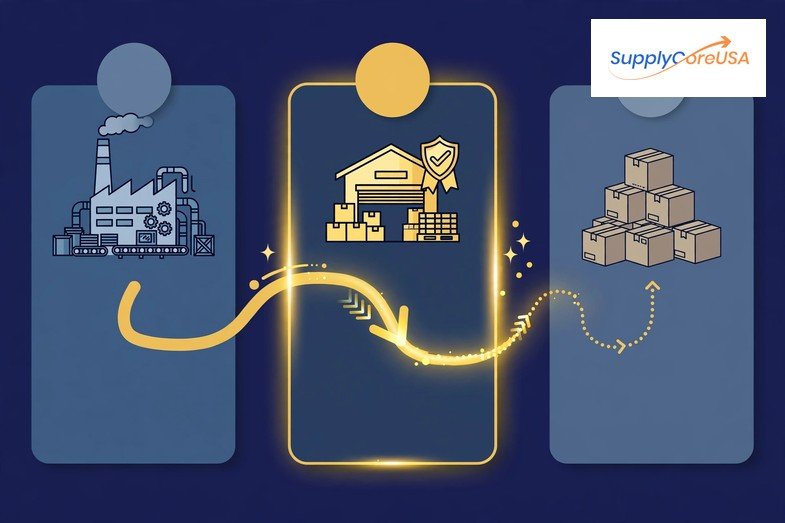
Here is what nearly every comparison article gets wrong. They obsess over the labels. Distributor versus wholesaler, as if the job title is the thing. It is not. The authorization sitting behind the title is the thing. A so-called “distributor” with zero brand authorization is just a wholesaler carrying a fancier business card. Meanwhile a wholesaler who happens to source directly from a brand, with permission, is functionally doing a distributor’s job.
Amazon does not grade your vocabulary. It grades verifiability. Can the reviewer trace your products back to the brand through documented, legitimate channels? An authorization letter. A distributor agreement. An invoice from a company the brand publicly acknowledges. That paperwork is the actual currency here. The job title printed on the invoice? Secondary at best.
So stop asking potential sources “are you a distributor or a wholesaler?” It is the wrong question. Ask this instead: “can you show me your authorization from the brand?” The second question tells you everything you need to know. The first tells you basically nothing. Oh, and open those supplier accounts with the exact same business details as your Amazon seller account. Mismatched details are precisely the pattern reviewers are trained to flag. The painful details live here: Why Was My Amazon Ungating Invoice Rejected?
Which Supplier Type Is Safest for Amazon Ungating?
Authorized distributor. Not even a contest. Their invoices are practically purpose-built for ungating: clean business details, direct brand relationship, verifiable in a single step. When Amazon demands proof your products are genuine and your sourcing is legitimate, a distributor invoice has already answered every question before the reviewer thinks to ask it.
Now, to be fair, wholesaler invoices CAN get you ungated. I am not going to pretend otherwise. Plenty of sellers have pulled it off. But the approval rate drops and the scrutiny climbs, because now the reviewer has to work harder to verify your chain. And if that wholesaler cannot, or will not, tell you where THEY got the products? Walk away. Do not think twice. That invoice is a rejection letter with extra steps.
Here is my rule of thumb, free of charge. Gated brand or category? Do not gamble to save a few cents per unit. Pay the distributor premium and sleep at night. That per-unit difference is almost always smaller than the real cost of a rejection: dead inventory, weeks of delay, and starting over. Want the full ungating walkthrough? Start here: Amazon Ungating Requirements 2026: Step-by-Step Guide
And if you would rather skip the vetting headache entirely, that is literally what we do: see how we source. Or talk to us before you commit to a supplier.
FAQs
Is a distributor the same as a wholesaler?
Nope. A distributor has the brand’s blessing, a wholesaler usually does not. That is the whole ballgame. Both sell to you, but only one hands you a paper trail Amazon respects.
What are the four types of wholesalers?
Merchant wholesalers (full-service, take ownership), limited-service types (cash-and-carry, drop shippers, rack jobbers), brokers and agents (never touch the product, just connect people), and manufacturers’ own sales branches. Honestly? For Amazon, only one question matters: can they prove where THEY got it from.
What are the three types of distributors?
Exclusive (sole rights in a region), wholesale (authorized but non-exclusive), and specialty (niche category focus). Here is the good news: Amazon treats all three the same. Real authorization is real authorization, fancy title or not.
Can a distributor be called a wholesaler?
You could, but why downgrade them? “Wholesaler” says bulk reseller, no brand ties. “Distributor” says authorized partner. That authorization is what you are paying extra for. Do not let lazy language hide whether it exists.
Do you need an LLC to be a wholesaler?
Legally? No. You could start as a sole proprietor tomorrow. But good luck getting a real distributor to open an account for you, or getting Amazon to accept your invoices, without an LLC, an EIN, and a proper business address. Not required by law. Required by reality.