
Look, if you’re launching new products on Amazon FBA right now, there’s a date sitting on your calendar whether you put it there or not. October 31, 2026. That’s when the introductory window of Amazon’s relaunched FBA New Selection program shuts. Confirm your enrollment before then and you keep the fee credits and free storage on new ASINs. Don’t, and they’re gone. Simple as that.
Now, one honest caveat before we get into it, because this actually matters. Amazon’s European pages spell out the July 30 to October 31 window in plain English. The US program page? No calendar dates anywhere. Weird, but that’s Amazon for you. So treat October 31 as the reported deadline and go confirm the real date on the New Selection page inside your own Seller Central. Do not build a five-figure inventory order around a date you read in a blog post. Including this one. I’m serious about that.
So what is this program, really?
Amazon relaunched it on July 30, 2026, aimed at new-to-FBA branded parent ASINs. The old version had ended, and this is the replacement. The pitch is straightforward. Amazon wants more selection on the platform, so it subsidizes your first batch of units to get you listing. During the introductory window, enrolled sellers get the perks automatically. After October 31, only the sellers who confirmed enrollment keep earning them on new ASINs they list.
Quick sidebar, because this whole program runs on ASINs. If “parent ASIN” sounds fuzzy, our ASIN guide explains exactly how Amazon IDs products. Worth five minutes before you read further.
What you actually pocket per new parent ASIN
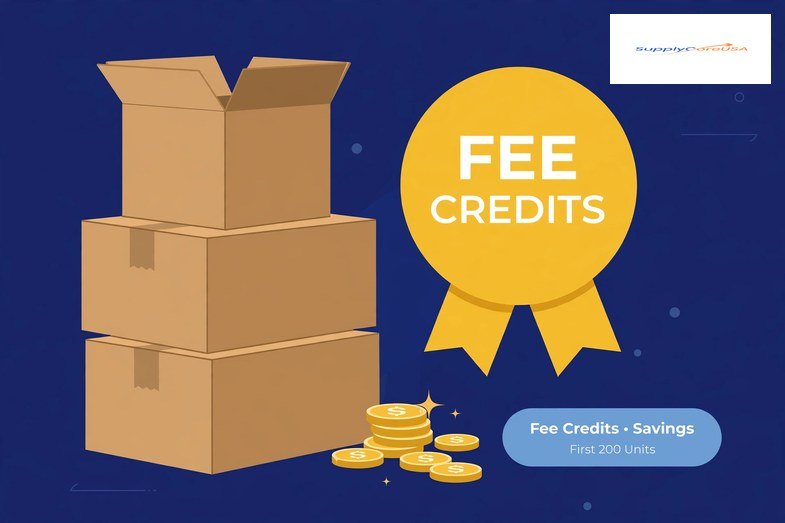
These are the 2026 benefits. They’re not pocket change.
Referral fee credits. Amazon caps your fees at 10% on the first 100 units sold, then 5% on the next 100. Do the math on a $40 item at the standard 15% referral fee and you’ll see why people care.
Free monthly storage. First 200 units, 120 days, starting when Amazon receives them at a fulfillment center. Storage fees add up fast on new launches. This wipes them out.
Surcharge waivers. The storage utilization surcharge and the low-inventory-level fee, both waived on those same 200 units for 120 days. Two fees most sellers forget exist until they show up on a statement.
Returns processing waived on up to 200 units. If you’ve ever watched return fees eat a new product’s margin, you know what this is worth.
$75 Vine credit. Enroll 3 to 10 units per parent ASIN within 60 days of listing. Pair it with Vine Pre-launch and you stretch the benefits another 45 days.
$50 coupon credit toward variable coupon fees. Nice little kicker for launch promotions.
Who gets in (watch the IPI trap)
The requirements are short, but there’s one gotcha people trip on.
You need a Professional selling plan and FBA registration. That’s table stakes.
Then there’s the Inventory Performance Index. You need 300 or higher. Here’s the trap: Amazon lowered it from 400, and half the guides floating around still say 400. It’s 300. Go check yours in Seller Central instead of trusting a blog. (Yes, the irony of me saying that in a blog is not lost on me.)
The parent ASIN has to be genuinely new to FBA. Never been received at a fulfillment center, ever. Shipping more units of something that’s already been through FBA doesn’t qualify, regardless of what your invoice claims.
Brand-new sellers get auto-enrolled if their first FBA shipment lands within 90 days of their first buyable offer. The rest of us have to opt in manually. Don’t assume. Verify.
Two more fine-print items. It doesn’t stack with New Seller Incentives. Qualify for both and Amazon applies NSI first. And benefits only run forward from enrollment. Nothing retroactive. Enroll before that first shipment lands, not after you’ve already paid full fees on it.
If you’re new to Amazon selling altogether, by the way, our ungating guide handles the approval side of launching. This program handles the fee side. You’ll want both before you order inventory.
The part nobody else is writing: your supplier timeline
Okay. Here’s where the generic guides all stop being useful, and it’s the part that actually costs wholesale sellers money.
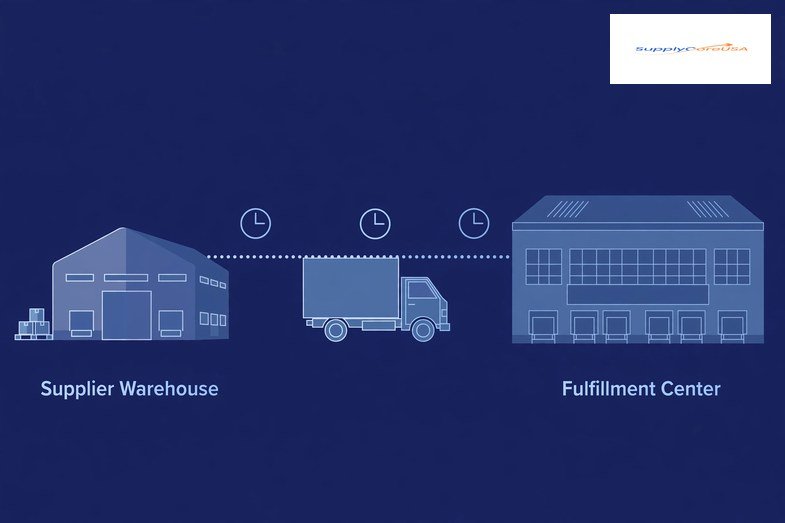
The program rewards new-to-FBA parent ASINs. Fine. But the deadline that’ll bite you isn’t October 31 on a calendar. It’s the dead space between your supplier shipping and your listing going live and buyable.
Count backward with me. Supplier lead time, plus prep, plus inbound freight, plus Amazon receiving. That’s three to six weeks on a normal run, easy. An order you place this week might not be buyable until late October. Shave it too fine and your brand-new ASIN goes live November 2 with exactly zero benefits attached. All that margin, gone, because of a calendar.
So. Three things, this week.
First, get real lead times from your distributor. Not the optimistic ones they quote to win the order. The real ones. Then add buffer. If your supplier preps to FBA spec in-house, that’s days you don’t spend routing cartons through a separate prep center. And if you haven’t vetted this supplier properly yet, do it now, before money moves. Our fake supplier checklist takes thirty minutes and has saved people a lot more than that.
Second, confirm these are genuinely new parent ASINs. Ask your supplier straight out whether these exact products have ever been through FBA. And make sure your invoices would survive Amazon’s scrutiny, because on new launches, Amazon looks closely.
Third, sequence the inbound deliberately. Enrollment before the shipment lands. Pallet arriving October 29 with enrollment confirmed October 30? Fine. The other way around? You’ve paid full fees on units that could’ve been subsidized. Order matters. Literally.
One more thing worth knowing: whether you buy from a distributor or a wholesaler changes who handles this dance. Our distributor vs wholesaler breakdown lays out which one actually preps and ships FBA-ready versus which one just sells you cartons.
Confirming enrollment takes two minutes
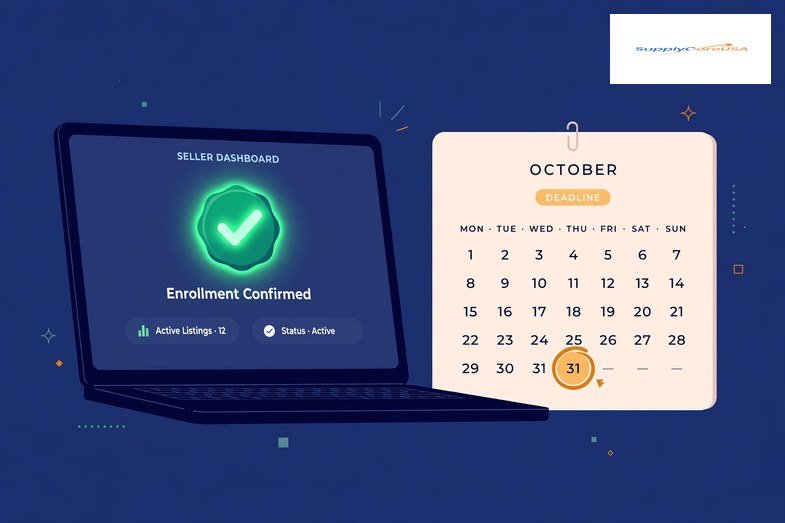
Seller Central. New Selection program page. Confirm enrollment. Done.
If you’re a new seller inside that 90-day auto-enrollment window, don’t just assume it worked. Open the page and look. Trust, but verify, as they say.
After October 31, then what?
The program keeps going, but the introductory terms are over. Sellers who confirmed keep earning benefits on new ASINs they list. Everyone else starts from zero on every new launch. Once Amazon’s post-deadline terms are fully out in the open, we’ll refresh this guide to match.
Quick answers
Does the New Selection program cost anything? Nope. Free. Enrollment is the only requirement.
I already sell on FBA. Can I still get in? Yep. Opt in manually in Seller Central, then launch new-to-FBA parent ASINs. Your existing catalog doesn’t qualify. Only new parent ASINs do.
What does “new to FBA” actually mean? A parent ASIN that’s never been received at an Amazon fulfillment center. New variation under an old parent? Doesn’t count. Brand-new parent, first time through FBA. That’s the bar.
I enrolled during the introductory window. I’m good, right? No. And that’s the whole reason this article exists. Go confirm your enrollment before October 31, or the benefits stop on new ASINs. The introductory enrollment and the confirmation are two different things.
Anything I need to do before my first shipment? Enroll first, ship second. Benefits aren’t retroactive, so a shipment that lands before enrollment is just full-price inventory.
Here’s the math that should scare you into acting. October 31 is days away, not months. Confirming enrollment is a two-minute job in Seller Central. The wholesale order that qualifies could take three weeks to land. Do the two-minute thing today. Start the three-week thing this week. And if you need a supplier who preps FBA-ready and ships direct to fulfillment centers, come talk to us.