
“Fulfilled by Walmart” is pretty simple. Walmart stores the product, packs it, and ships it. The seller just gets their inventory to Walmart’s warehouse. Everything after you click “buy”? Walmart’s crew handles it.
Think Amazon FBA. Same idea, different logo. And if you sell wholesale, this one’s worth understanding properly.
How It Works Behind the Scenes
Walmart calls the program WFS. Walmart Fulfillment Services. Catchy, right?
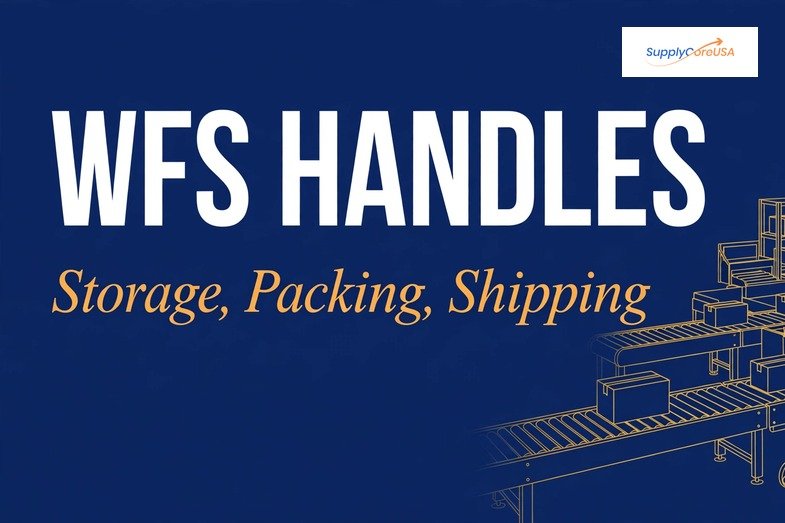
The flow goes like this. Seller ships a bulk load to Walmart’s fulfillment center. It lives on their shelves until someone orders. Then Walmart’s people pick it, pack it, label it, and send it out the door.
Your part? Keep the shelves full and price it to move. Walmart handles everything after the buy button.
Honestly, the model will feel very familiar if you’ve done FBA. Because it IS the same model. Walmart built WFS as their answer to FBA. And honestly? It’s working. Sellers keep showing up.
So What Does This Mean If You’re Buying?
See “fulfilled by Walmart” on a listing? Here’s the deal.
Walmart’s doing the shipping, not some random seller packing orders at midnight in their garage. Usually that means it shows up faster, fewer surprises, and Walmart’s return policy has your back.
What it does NOT mean? That it shows up tomorrow. “Fulfilled by” tells you who runs the warehouse. It won’t tell you when the truck arrives, though. That’s down to the shipping method, your location, and which warehouse has it. People mix these up constantly.
And when your order sits at “sent for fulfillment” or “pending fulfillment” for a while? It just means the warehouse hasn’t gotten to it yet. It’s in the queue. Most move through in a day or two. Busy season? Longer. That’s normal, not a crisis.
WFS or Do It Yourself?
Same fork in the road as Amazon. Two options.
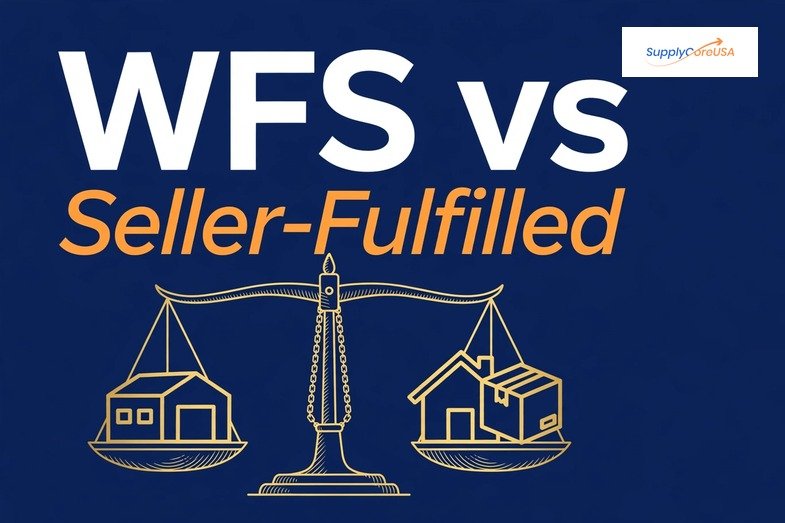
WFS means Walmart does the heavy lifting. You pay fulfillment fees, storage fees, the usual cut. In return you get their logistics, their customer service, their returns department. You focus on sourcing and pricing.
Seller-fulfilled means it’s all you. Your garage, your boxes, your post office runs. Lower fees. More control. Way more headaches. And you’re personally on the hook for delivery promises and every return.
Look, most sellers doing serious volume end up on WFS. Same reason FBA won on Amazon. Customers trust the badge. The buy box likes it. And running fulfillment yourself at scale? That’s a second full-time job you didn’t sign up for.
But let’s be real about the money. WFS fees eat margin exactly like FBA fees do. Nobody’s doing you a favor here. Run your numbers on a real product before you ship a pallet to their dock.
What It Actually Costs
Walmart doesn’t hand you a neat little price card, and the numbers move around, so ignore any specific dollar amounts you see in old articles. They’re probably wrong by now.
What matters is the structure. Per-unit fulfillment fee based on size and weight. That’s the pick, pack, and ship. Monthly storage by the cubic foot, and yes, it jumps in the holiday quarter when everyone’s fighting for shelf space. Oversized stuff and slow movers get extra fees stacked on.
The sellers who get burned are always the same ones. They assumed the fees would “probably be fine.” Don’t be that seller. Run the math first.
Getting Started Without the Headaches
Onboarding is straightforward enough. Apply for WFS through Walmart’s seller center. Get approved. Create your inbound shipment. Prep everything to their requirements. Send it in.
If you’ve done FBA prep, this will feel like home. Right labels, right boxes, nothing loose bouncing around. Walmart rejects sloppy inbound shipments just like Amazon does. And a rejected shipment means you paid freight for nothing. Fun.
My advice? Start small. One test shipment. Figure out how their system really works first. Scale once you’ve got the hang of it.
Why Wholesale Sellers Are Sleeping on This
Here’s the part that matters for our crowd.
Walmart’s marketplace keeps growing, and most wholesale sellers still act like it doesn’t exist. Everyone’s elbow-deep in Amazon competition while Walmart sits over here with fewer sellers, decent traffic, and a fulfillment program that works the same way.
If you know FBA, you already know WFS. Same rhythm. Stock their warehouse, keep it coming, let the platform do the rest. Prep requirements are cousins, not strangers.
We did a full walkthrough on sending inventory to Walmart’s fulfillment centers, the whole WFS shipping plan broken down. If you’re already wholesaling for Amazon, bolting on Walmart as a second channel is one of the highest-leverage moves on the table right now. Less competition. Same playbook.

FAQs
Does fulfilled by Walmart mean shipped by Walmart?
Yep. Their warehouse picks it, packs it, ships it. The seller just supplied the stock.
Does fulfilled mean shipped or delivered?
Walmart runs the shipping side. Arrival time still comes down to the method and where you live.
How does Walmart fulfillment work?
Seller stocks Walmart’s warehouse. Walmart takes it from there: pick, pack, ship, and returns.
How long does sent for fulfillment take?
Usually a day or two before it ships. Varies though. Peak season stretches everything.
Why is my order still in fulfillment?
It’s sitting in the warehouse queue. Give it a day or two before you start worrying.
How long does pending fulfillment take?
Most clear within 48 hours. Longer than that, ping Walmart support.
Wholesaling already and want Walmart as a second channel? Talk to SupplyCore USA. We prep inventory ready for Walmart fulfillment.